How to Deal With Fly-Tipped Rubbish on Your Property in London
Fly-tipping is one of London's most persistent environmental problems — and if it happens on your property, you're not just dealing with an eyesore. You're facing potential legal responsibilities, health hazards, and the cost of clearing up someone else's mess. In 2023–24, London boroughs recorded over 130,000 fly-tipping incidents, making the capital one of the worst-affected areas in England.
Whether you're a homeowner, landlord, or business owner, this guide tells you exactly what to do when you find illegally dumped rubbish on your land — from immediate steps and reporting to removal options, costs, and prevention strategies.
What Should You Do First?
If you find fly-tipped waste on your private property in London, do not touch it immediately. Take photos, report it to your borough council, and arrange a licensed carrier to remove it safely. If hazardous waste is suspected, contact the Environment Agency and specialist contractors before any handling.
What Is Fly-Tipping and Why Does It Happen in London?
Fly-tipping is the illegal dumping of waste on land without a licence or the landowner's permission. It is a criminal offence under the Environmental Protection Act 1990, carrying fines of up to £50,000 or even imprisonment for serious offenders.
London's density, high population turnover, and the cost of legitimate waste disposal make it a hotspot for fly-tipping. Common locations include:
- Private driveways and front gardens
- Alleyways and rear access lanes
- Vacant land and building sites
- Car parks and industrial estates
- Rural fringes of outer London boroughs
Common types of fly-tipped waste found in London include:
| Waste Type | Common Examples |
|---|---|
| Household waste | Bin bags, furniture, mattresses |
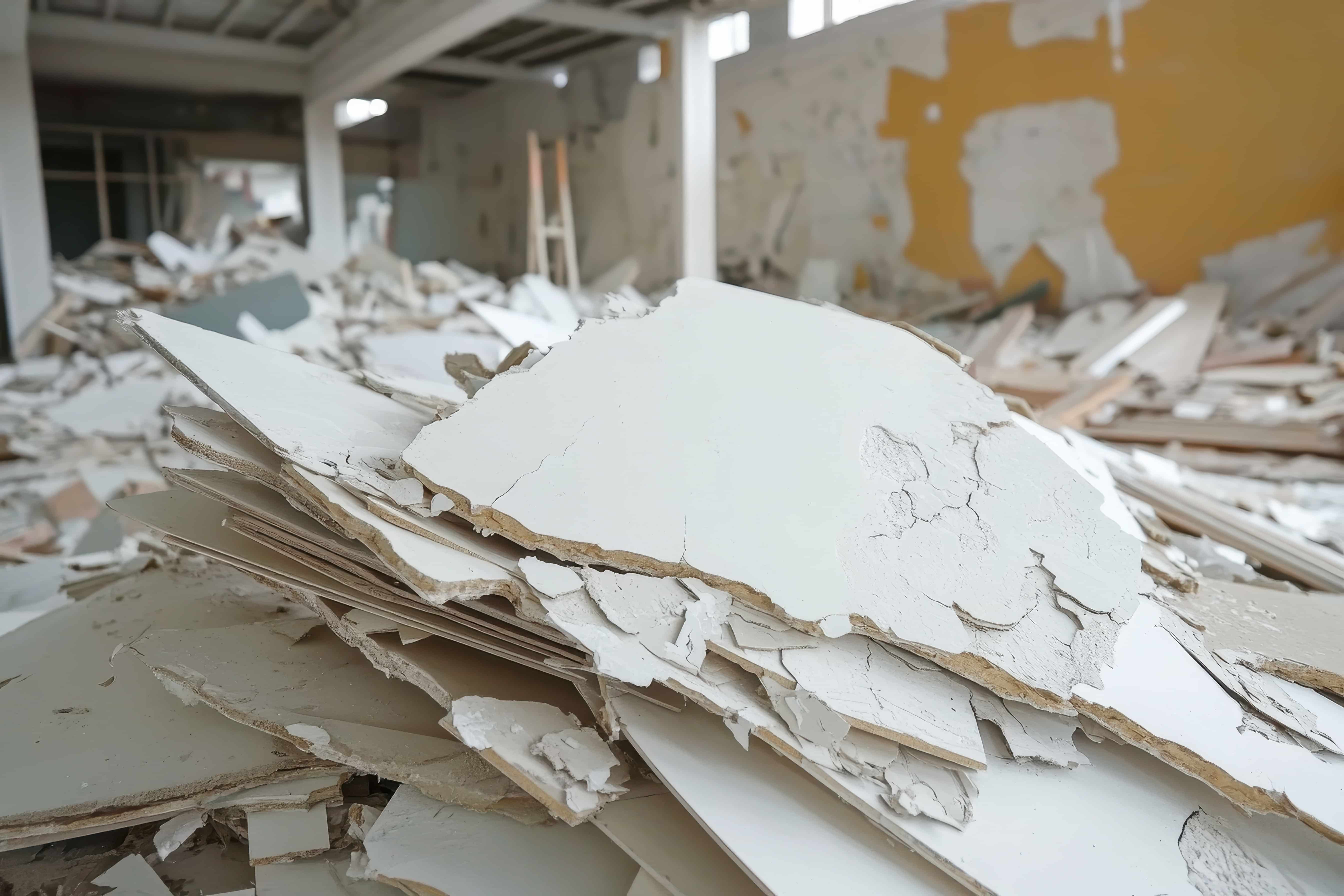
| Construction waste | Bricks, plasterboard, concrete, timber |
| Garden waste | Soil, branches, grass cuttings |
| Electrical waste | TVs, fridges, washing machines |
| Hazardous waste | Asbestos, chemicals, paint, tyres |
Who Is Responsible for Removing Fly-Tipped Waste in London?
This is the question most property owners get wrong — and it's a critical one.
The legal responsibility for clearing fly-tipped waste falls on the landowner, not the person who dumped it. This applies whether the land is privately owned, rented out, or held by a business.
Key Responsibility Breakdown
- Private land (yours): You are legally obligated to arrange and pay for removal.
- Public land / highway: Your local London borough council is responsible.
- Shared or boundary land: Responsibility may be disputed — check your title deeds.
- Rented property: The responsibility typically sits with the landlord, unless the tenancy agreement specifies otherwise.
Important: Leaving fly-tipped waste on your land for an extended period can result in enforcement action from your local council, especially if it poses a health or environmental risk.
Step-by-Step: What to Do When You Discover Fly-Tipping on Your Property
Step 1: Do Not Touch Anything Yet
Before you start moving waste, assess the situation safely. Fly-tipped loads sometimes contain hazardous materials — asbestos, chemical drums, syringes, or clinical waste. These require specialist handling.
Look for warning signs:
- Dusty white/grey sheets or boards (possible asbestos)
- Drums, bottles, or containers with warning symbols
- Unusual smells or discolouration of soil
- Sharp objects or medical/clinical items
If you suspect hazardous waste, do not handle it yourself. Contact a licensed waste contractor immediately.
Step 2: Document the Fly-Tip with Photos and Video
Before any removal takes place, record thorough evidence:
- Photograph the full extent of the waste from multiple angles
- Note the date and time you discovered it
- Check for any identifying items (envelopes, packaging, receipts) that may name the dumper
- Note any vehicle descriptions or registration numbers if witnessed
This documentation is essential for reporting and may also support any insurance claim.
Step 3: Report It to the Relevant Authority
Reporting fly-tipping is important even when you're clearing it yourself. It helps London councils track patterns, target enforcement, and — in some cases — recover costs from offenders.
Where to report fly-tipping in London:
- Your local London borough council — use their online reporting tool or call their environmental enforcement team
- Flycapture — the national fly-tipping reporting database used by councils
- Environment Agency — for serious or hazardous fly-tips: 0800 80 70 60
- CrimeStoppers — anonymously report suspected fly-tippers: 0800 555 111
Most London borough councils have a dedicated fly-tipping response team. Some — particularly in high-incident areas like Newham, Croydon, Barking, and Waltham Forest — operate rapid-response clearance units for public land.
Step 4: Check If Your Council Will Help
Even if the waste is on private land, some London boroughs offer subsidised or free fly-tip clearance assistance to residents, particularly for smaller deposits. It is always worth contacting your local council before spending money on private removal.
However, this is inconsistent across London. Many councils will only clear waste from public land and will direct private landowners to arrange their own removal.
Step 5: Arrange Professional Rubbish Removal
For most private fly-tips in London, the fastest and most legally compliant solution is to hire a professional rubbish removal company licensed to carry waste.
This is not a task to cut corners on. Using an unlicensed "man with a van" to clear a fly-tip and then dumping it elsewhere makes you legally liable for a further fly-tipping offence.
Always verify that your waste carrier holds a valid Waste Carrier Licence from the Environment Agency. You can check this on the Environment Agency's public register.
How Much Does Fly-Tip Clearance Cost in London?
The cost of clearing fly-tipped rubbish in London varies based on volume, waste type, access, and whether hazardous materials are involved.
Typical Fly-Tip Clearance Costs in London (2025–2026)
| Fly-Tip Size | Estimated Cost |
|---|---|
| Small (1–2 bin bags, minor items) | £80 – £150 |
| Medium (sofa, mattress, several bags) | £150 – £350 |
| Large (mixed household/builders' waste) | £350 – £700 |
| Very large / multiple loads | £700 – £1,500+ |
| Hazardous waste (asbestos, chemicals) | £500 – £2,000+ |
Note: Hazardous waste removal requires specialist licensed contractors and separate disposal fees. Always get a written quote that specifies disposal method and destination.
Can You Reclaim the Cost from the Fly-Tipper?
In theory, yes — but in practice it's difficult. If police or council enforcement identifies and prosecutes the offender, courts can order them to pay clearance costs. However, many fly-tippers are never caught. Some homeowners have had success using evidence from CCTV footage or items found in the waste to pursue civil claims.
Fly-Tipping and Insurance: Are You Covered?
Some home insurance and landlord insurance policies include cover for fly-tip clearance, particularly if the waste was deposited maliciously. Check your policy documents or contact your insurer directly.
Key questions to ask your insurer:
- Does my policy cover the cost of clearing fly-tipped waste?
- Is there an excess applicable?
- Do I need to file a police or council report first?
Even if you're not covered, it's worth reporting to your insurer as it creates an official record.
How to Prevent Fly-Tipping on Your Property
Once your property has been targeted, it's far more likely to happen again. Prevention is significantly cheaper than repeated clearance costs.
Practical Prevention Measures
Physical deterrents:
- Install CCTV cameras — visible cameras are a strong deterrent and provide evidence
- Add secure fencing, gates, or barriers to vulnerable access points
- Use motion-activated lighting in dark or hidden areas
- Place anti-tipping bollards at field gates or lane entrances
Signage:
- Install "No Fly-Tipping — CCTV in Operation" signs
- Post warning notices about prosecution and fines
Community and council engagement:
- Join or establish a local Neighbourhood Watch scheme
- Report repeat hotspot locations to your borough's environmental enforcement team
- Work with neighbouring landowners to collectively deter dumpers
Landscape management:
- Keep land tidy and visibly maintained — neglected areas attract more dumping
- Clear any existing waste promptly, as a small deposit often triggers more
Hazardous Fly-Tipping: Special Situations
Certain types of fly-tipped waste require a completely different approach. Never attempt to handle these yourself.
Asbestos
Asbestos-containing materials (ACMs) are commonly found in fly-tips, particularly on construction waste dumps. Disturbing ACMs can release carcinogenic fibres. You must hire a licensed asbestos removal contractor and follow Health and Safety Executive (HSE) guidelines. If the fly-tip includes renovation debris, book a licensed construction waste removal team instead of handling any materials yourself.
Clinical or Medical Waste
Syringes, dressings, and other clinical items pose serious infection risks. Report immediately to your council's environmental health team who can arrange specialist disposal.
Chemical or Oil Drums
Contact the Environment Agency's 24-hour incident line: 0800 80 70 60. Do not puncture, move, or attempt to dispose of these yourself.
What Happens to Fly-Tippers Who Are Caught in London?
Under the Environmental Protection Act 1990 and the Clean Neighbourhoods and Environment Act 2005, fly-tipping carries serious penalties:
- Fixed Penalty Notices: Up to £1,000 for small-scale offences
- Magistrates' Court: Unlimited fines and up to 12 months imprisonment
- Crown Court: Up to 5 years imprisonment and unlimited fines
- Vehicle seizure: Councils have powers to seize vehicles used for fly-tipping
London councils and the Environment Agency have increased enforcement activity significantly. Some boroughs now use covert cameras and plain-clothes officers to catch persistent offenders.
Key Takeaways
- You are legally responsible for clearing fly-tipped waste on your private land, even though you didn't put it there.
- Always document the waste with photos before removal.
- Report every incident to your local London borough council and the Environment Agency where appropriate.
- Never use an unlicensed waste carrier — it can make you liable for further fly-tipping offences.
- Check for hazardous materials before touching anything — asbestos, chemicals, and clinical waste require specialist removal.
- Prevention is cheaper than cure — CCTV, lighting, and secure fencing significantly reduce repeat incidents.
- Some councils and insurers may contribute to clearance costs — always check before paying privately.
Frequently Asked Questions About Fly-Tipping on Private Land in London
Who is responsible for removing fly-tipped waste from private land in London?
The landowner is responsible.
The landowner is legally responsible for removing fly-tipped waste from their private property, regardless of who dumped it. This applies to homeowners, landlords, and businesses. Failure to clear the waste within a reasonable timeframe can result in enforcement action from the local council.
Will my local council remove fly-tipping from my private property for free?
Usually no, but some boroughs may help in limited cases.
Most London borough councils only clear fly-tipping from public land. Some offer limited assistance to private landowners in exceptional circumstances, but this varies by borough. Contact your local council to find out what support is available before arranging private clearance.
How do I report fly-tipping in London?
Report to your borough council first, then escalate hazardous cases.
Report fly-tipping to your local London borough council using their online portal or environmental enforcement contact line. For serious or hazardous incidents, contact the Environment Agency on 0800 80 70 60. You can also report anonymously via CrimeStoppers on 0800 555 111.
Is it illegal to clear fly-tipped rubbish yourself and take it to the tip?
Small household loads can be legal; larger or mixed loads usually need a licensed carrier.
You can legally take small amounts of household waste to your local Household Waste Recycling Centre (HWRC) yourself. However, larger volumes or commercial/construction waste typically require a licensed waste carrier. Always check HWRC restrictions before arriving with a large load.
How much does fly-tip clearance cost in London?
Most jobs range from £80 to £1,500+, depending on size and waste type.
Costs range from approximately £80–£150 for small deposits up to £1,500 or more for large mixed loads. Hazardous waste removal — such as asbestos or chemical drums — can cost significantly more due to specialist handling and disposal requirements. Always obtain a written quote from a licensed waste carrier.
Can I claim on my insurance for fly-tipping clearance?
Sometimes, depending on your policy terms.
Some home insurance and landlord policies cover fly-tip clearance, particularly where the dumping was deliberate or malicious. Check your policy documents and contact your insurer — you may need a council or police reference number to support your claim.
What is the fine for fly-tipping in London?
Penalties range from fixed fines to prison for serious offences.
Fly-tippers can face Fixed Penalty Notices of up to £1,000, unlimited fines at Magistrates' Court, or up to 5 years imprisonment and unlimited fines at Crown Court for serious cases. Vehicles used in fly-tipping can also be seized.
Need Fast, Professional Fly-Tip Clearance in London?
Dealing with fly-tipped rubbish is stressful, inconvenient, and potentially hazardous. The quickest way to resolve it legally and safely is to use a fully licensed, experienced waste removal team.
London Rubbish Removal provides fast, professional fly-tip clearance across all London boroughs. Our team holds a valid Environment Agency Waste Carrier Licence, ensuring your waste is disposed of legally and responsibly — with a full waste transfer note provided for your records.
We handle everything from single-item collections to large multi-load fly-tips, including bulky waste, construction debris, and garden rubbish.
👉 Get a free, no-obligation waste clearance quote today and have your fly-tip cleared quickly by a team you can trust.
For more helpful guides on waste removal and rubbish disposal in London, explore the rest of our blog — covering everything from household clear-outs to specialist disposal advice across the capital.
Need Rubbish Removed in London?
London Rubbish Removal provides fast, licensed, and eco-friendly waste collection across all Greater London boroughs. Get a free quote in minutes.
✅ Licensed Waste Carrier | ✅ Fully Insured | ✅ No Hidden Fees