
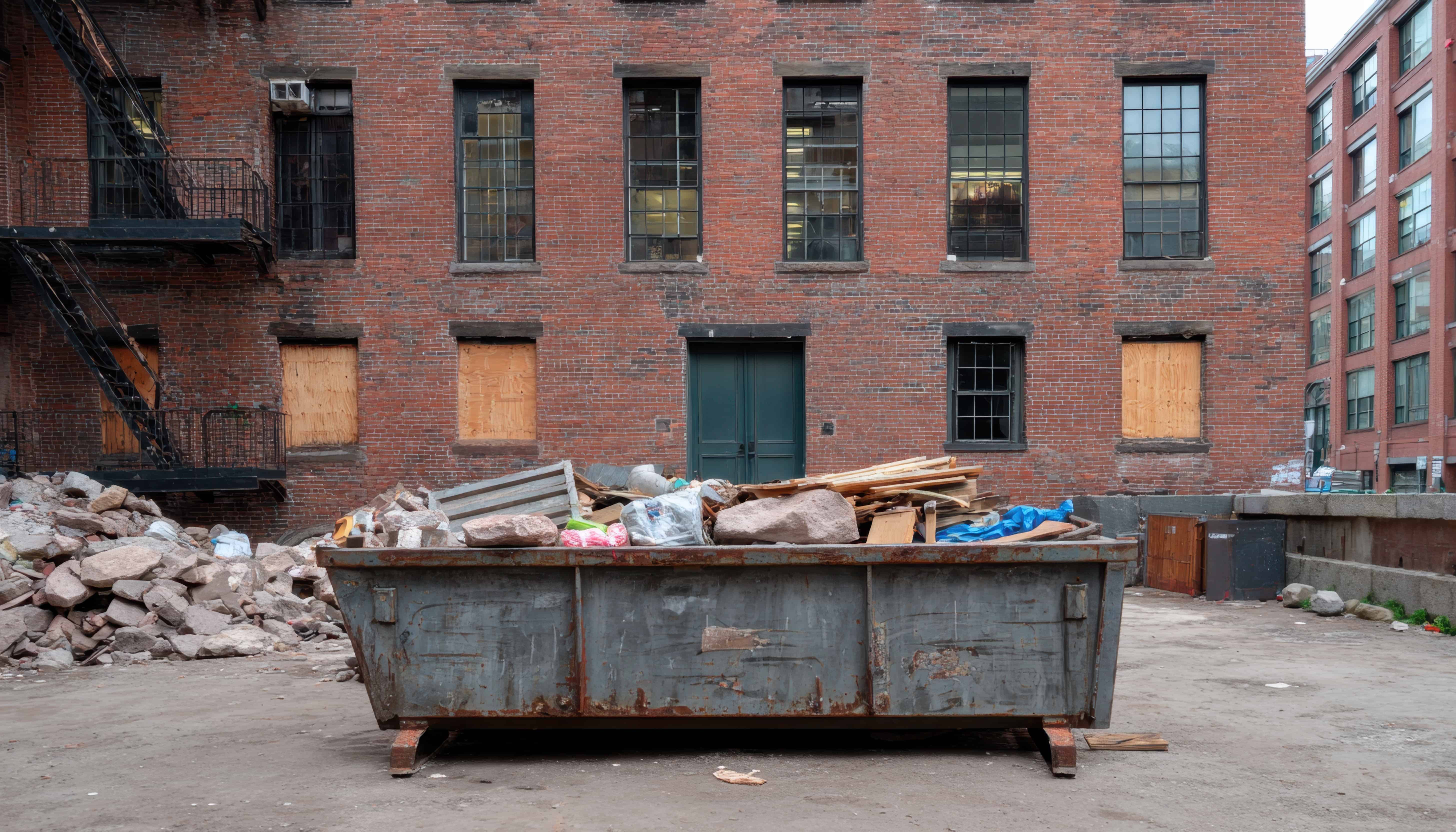
Warehouse and Industrial Rubbish Removal in London: Best Practices for Businesses
Managing waste in a warehouse or industrial setting is not simply a matter of calling a skip company and hoping for the best. London businesses operating across logistics hubs, manufacturing facilities, distribution centres, and industrial estates face a unique combination of regulatory obligations, operational pressures, and environmental responsibilities that demand a smarter approach.
This guide covers everything you need to know about industrial and warehouse rubbish removal in London — from legal compliance and waste types to cost-saving strategies and choosing the right clearance partner.
Quick Answers: Warehouse Rubbish Removal London
If you need fast, reliable answers before booking a service, these are the essentials:
- Who needs industrial waste removal in London? Warehouses, factories, logistics centres, wholesalers, retail distribution units, and mixed-use commercial sites.
- What is legally required? Use a licensed waste carrier, issue a Waste Transfer Note for each collection, and keep records for at least two years.
- How quickly can waste be removed? Many providers offer same-day or next-day availability, especially for urgent operational clearances.
- What affects cost most? Volume, waste type, access constraints, loading time, and whether hazardous materials are present.
- What should businesses prioritise? Compliance first, then recycling rates, clear pricing, and disruption-free scheduling.
Why Proper Industrial Waste Management Matters for London Businesses
London is one of Europe's busiest commercial and industrial hubs. With thousands of warehouses and industrial premises operating across boroughs like Barking and Dagenham, Enfield, Croydon, Havering, and Park Royal, efficient waste management is both a legal requirement and a business necessity.
Key reasons professional rubbish removal matters:
- Legal compliance: The Environmental Protection Act 1990 and the Duty of Care Waste Regulations impose strict obligations on businesses that produce, handle, or dispose of waste.
- Health and safety: Accumulated industrial waste creates fire hazards, pest risks, and trip hazards — all of which expose businesses to liability.
- Operational efficiency: Cluttered warehouse floors reduce productivity, slow down logistics, and impact staff morale.
- Reputation: Clients, auditors, and insurers routinely inspect premises. An unclean, waste-filled site sends the wrong signal.
- Environmental responsibility: Landfill diversion targets and ESG reporting requirements mean businesses must demonstrate responsible waste practices.
Industrial rubbish removal in London is governed by the Duty of Care regulations, which require businesses to use licensed waste carriers and obtain a Waste Transfer Note for every collection.
Service Areas and GEO Relevance for London Businesses
For businesses searching for warehouse rubbish removal near me or industrial waste removal London, local coverage and response speed matter.
London industrial and warehouse clearances are commonly required in areas such as Park Royal, Barking, Dagenham, Enfield, Croydon, Newham, Greenwich, Hounslow, Wembley, and surrounding Greater London postcodes. The best providers can coordinate around loading bays, shift windows, and high-traffic delivery times to reduce operational downtime.
Types of Waste Commonly Found in Warehouses and Industrial Premises
Understanding your waste stream is the first step to managing it effectively. London warehouses and industrial sites typically generate a broad mix of waste categories.
| Waste Type | Common Sources | Disposal Route |
|---|---|---|
| Cardboard and paper | Packaging, returns, admin | Recycling |
| Plastic wrapping and pallets | Distribution, storage | Recycling or energy recovery |
| Broken or obsolete machinery | Manufacturing, logistics | Specialist recycling or refurbishment |
| Racking and shelving | Warehouse fit-outs/clearances | Metal recycling |
| Hazardous materials (oils, chemicals) | Maintenance, production | Licensed hazardous waste disposal |
| General commercial waste | Canteens, offices on-site | Commercial bin collection or clearance |
| Electronic waste (WEEE) | IT, automation equipment | WEEE-registered recycler |
| Construction debris | Renovations, fit-outs | Construction waste removal |
| Tyres and vehicle parts | Fleet maintenance | Licensed tyre disposal |
Important: Hazardous waste — including solvents, oils, batteries, and certain packaging — must be handled by a registered hazardous waste carrier and documented with a consignment note under the Hazardous Waste Regulations 2005.
Legal Obligations: What London Businesses Must Know
The Duty of Care
Under the Environmental Protection Act 1990, every business that produces waste has a legal Duty of Care. This means you must:
- Store waste securely to prevent escape or unauthorised access.
- Only transfer waste to an authorised person — such as a licensed waste carrier registered with the Environment Agency.
- Complete a Waste Transfer Note (WTN) for every waste collection, which both parties must retain for a minimum of two years.
- Ensure the waste is described accurately on the WTN.
Failure to comply can result in fines of up to £5,000 in a Magistrates' Court or an unlimited fine in the Crown Court, plus potential prosecution of company directors.
Waste Carrier Licence Verification
Before engaging any rubbish removal company for your London warehouse, always verify their Environment Agency waste carrier registration. You can check this for free on the Environment Agency's public register. A legitimate operator will provide their licence number without hesitation.
Hazardous Waste Regulations
If your premises produce more than 500kg of hazardous waste per year, you must also register as a hazardous waste producer. Collections must be accompanied by a consignment note, not a standard WTN, and should be handled through a compliant hazardous waste collection and disposal service.
Best Practices for Warehouse Rubbish Removal London Businesses Can Apply Today
1. Conduct a Waste Audit Before Any Clearance
Before scheduling a collection, walk the site with your facilities or operations manager and categorise all waste. A detailed waste audit:
- Prevents contamination of recyclable materials
- Identifies hazardous items needing specialist handling
- Allows you to get accurate quotes from removal companies
- Highlights opportunities to reduce waste at source
2. Segregate Waste at the Point of Generation
Segregation is the single most effective way to reduce disposal costs and increase recycling rates. Set up clearly labelled collection points throughout your warehouse for:
- Dry mixed recycling (cardboard, clean plastics, paper)
- General commercial waste
- Metals and racking
- Hazardous materials (in sealed, compliant containers)
- WEEE (electrical equipment)
This not only keeps your site compliant but can significantly reduce tipping fees, as segregated loads often attract lower charges than mixed waste.
3. Choose a Licensed London Rubbish Removal Specialist
Not all waste collectors are equal. For warehouse and industrial clearances, prioritise providers who:
- Hold a valid Environment Agency waste carrier licence (Upper Tier)
- Offer same day rubbish removal and next-day emergency clearance options
- Provide Waste Transfer Notes as standard
- Have experience with large-scale industrial and commercial clearances, including office clearance projects
- Can handle mixed loads including bulky items, racking, and machinery
- Offer transparent, itemised pricing
London Rubbish Removal specialises in commercial and industrial waste clearance across all London boroughs, providing fully licensed, insured, and same-day-capable services with no hidden charges.
4. Plan Around Business Operations
Industrial clearances rarely happen in isolation. Schedule waste removal to minimise disruption:
- Avoid peak despatch or delivery windows
- Coordinate with your logistics team when clearing loading bays or racking
- For large-scale clearances (site relocations, full warehouse strip-outs), book in advance and agree a phased site clearance removal schedule
- Ensure clear vehicle access — removal teams typically require HGV or large van access
5. Request a Site Survey for Large-Scale Clearances
For full warehouse clearances, machinery removal, or major industrial strip-outs, request a free on-site survey before agreeing to any quote. This allows the removal company to:
- Assess the volume and types of waste accurately
- Identify access challenges
- Quote precisely — avoiding unexpected surcharges
- Plan the most efficient removal method
6. Prioritise Recycling and Diversion from Landfill
London businesses are increasingly under scrutiny from clients, investors, and regulators regarding their environmental performance. A professional rubbish removal partner should provide:
- Waste recycling rates (reputable London operators typically achieve 85–95% diversion from landfill)
- Waste transfer documentation that records disposal routes
- Itemised breakdown of materials recycled, recovered, or landfilled
This data supports your ESG reporting and corporate sustainability commitments.
7. Establish a Regular Collection Schedule
Rather than waiting for waste to accumulate to crisis point, establish an ongoing commercial waste collection agreement. Benefits include:
- Predictable costs (easier budgeting)
- Consistent compliance
- Reduced risk of site clutter and associated hazards
- Better recycling outcomes as waste is collected before contamination occurs
8. Use a Repeatable Compliance Checklist for Every Collection
For stronger AEO and operational consistency, keep this simple checklist in your warehouse SOP:
- Confirm the carrier licence and insurance before collection.
- Segregate waste streams and isolate hazardous materials.
- Photograph high-volume or specialist loads before pickup.
- Verify that the Waste Transfer Note is complete and accurate.
- Record destination details for audit and ESG reporting.
- Review recycling vs landfill split monthly to reduce disposal spend.
Common Mistakes London Businesses Make with Industrial Waste
Avoiding these errors can save your business significant money, time, and legal risk:
❌ Using an unlicensed waste carrier — Fly-tipped waste traced back to your business can result in heavy fines, even if you didn't carry out the fly-tipping yourself.
❌ Failing to complete Waste Transfer Notes — No documentation means no legal protection.
❌ Mixing hazardous and non-hazardous waste — This contaminates entire loads and creates costly disposal problems.
❌ Underestimating volume — Inaccurate estimates lead to multiple trips, increased costs, and operational delays.
❌ Delaying clearances — Accumulated waste becomes a fire risk, a pest habitat, and an insurance liability.
❌ Choosing on price alone — The cheapest quote often means unlicensed operators, poor documentation, or illegal disposal.
How Much Does Warehouse Rubbish Removal Cost in London?
Costs vary depending on volume, waste type, access, and urgency. Here is a general guide for London:
| Service | Estimated Cost Range |
|---|---|
| Single van load clearance (general commercial) | £150 – £350 |
| Full warehouse clearance (small unit) | £500 – £2,000+ |
| Full warehouse clearance (large industrial) | £2,000 – £10,000+ |
| Racking and shelving removal | £300 – £1,500 |
| Machinery and equipment disposal | £200 – £2,000+ |
| Hazardous waste collection (per collection) | £200 – £800+ |
| Regular scheduled commercial collection | From £80–£200/month |
Note: All quotes should include loading, transport, and disposal. Always ask for a written, itemised quote and confirm that VAT is included.
For an accurate, no-obligation quote tailored to your specific warehouse or industrial premises in London, contact London Rubbish Removal directly.
Choosing the Right Industrial Rubbish Removal Partner in London
What to Look For
Use this checklist when evaluating providers:
- Valid Environment Agency waste carrier licence (Upper Tier)
- Public liability insurance (minimum £1 million, ideally £5 million+)
- Experience with industrial and warehouse clearances
- Ability to handle bulky, heavy, or specialist items
- Clear pricing with no hidden charges
- Same-day or emergency availability
- Provision of Waste Transfer Notes
- High landfill diversion / recycling rates
- Positive reviews from commercial clients
- London-wide coverage across all boroughs
Questions to Ask Before Booking
- Are you registered with the Environment Agency as an Upper Tier waste carrier?
- What is your average recycling / diversion from landfill rate?
- Will you provide a Waste Transfer Note?
- Can you handle hazardous materials if required?
- Do you offer same-day or emergency clearances?
- Is your quote all-inclusive (loading, transport, disposal, VAT)?
Key Takeaways
- Legal compliance is non-negotiable. All London businesses must fulfil their Duty of Care, use licensed carriers, and retain Waste Transfer Notes.
- Waste segregation reduces costs and improves recycling rates — implement at the point of generation.
- Plan clearances around operations to minimise disruption to logistics and productivity.
- Verify your waste carrier's licence before every engagement — the liability for illegal disposal can fall on your business.
- A proactive, scheduled approach to industrial waste management is more cost-effective and compliant than reactive, emergency clearances.
- Choose quality over price — the cheapest option often carries the highest long-term risk.
Frequently Asked Questions
What is the best service for warehouse rubbish removal in London?
The best service is one that is fully licensed, provides full documentation, offers flexible collection windows, and can handle both routine and urgent commercial clearances without disrupting operations.
How can businesses reduce industrial waste disposal costs in London?
The most effective approach is to segregate waste at source, schedule regular collections, avoid mixed-load contamination, and use providers with high recycling diversion rates.
What is the difference between commercial waste and industrial waste?
Commercial waste is generated by businesses such as offices, retail units, and restaurants. Industrial waste comes from manufacturing, processing, or production activities. Both are subject to the Duty of Care regulations, but industrial waste may include hazardous materials requiring specialist handling and additional licensing.
Do I need a Waste Transfer Note for every collection?
Yes. Under the Duty of Care Waste Regulations, a Waste Transfer Note must be completed and signed by both the waste producer and the waste carrier for every collection of non-hazardous waste. Both parties must retain the note for at least two years. For hazardous waste, a consignment note is required instead.
Can a warehouse use a domestic skip for waste removal?
No. Business waste — even from small warehouse units — cannot be disposed of using domestic or household waste services. This includes domestic skips hired for personal use. Businesses must use a licensed commercial or industrial waste carrier.
How quickly can industrial rubbish be removed from a London warehouse?
Many professional London rubbish removal companies offer same-day and next-day industrial clearances. For large-scale or complex strip-outs, scheduling in advance is advisable. London Rubbish Removal offers fast-response commercial clearance across all London boroughs.
What happens to warehouse waste after it is collected?
A reputable London waste carrier will sort collected materials at a licensed transfer station, directing recyclable materials to appropriate facilities (metals, cardboard, plastics), recovering energy from non-recyclable materials where possible, and disposing of residual waste at licensed landfill sites. You should receive documentation showing how your waste was processed.
Is it legal to dispose of old warehouse racking and shelving in a skip?
Yes, provided the skip is arranged through a licensed waste carrier and the material is correctly described on a Waste Transfer Note. However, metal racking has significant scrap value — a specialist clearance company may offer to offset this against the collection cost.
How do I dispose of hazardous industrial waste in London?
Hazardous waste must be collected by a carrier registered for hazardous waste collection with the Environment Agency. Collections require a consignment note (not a standard WTN). Common hazardous materials include oils, solvents, batteries, fluorescent tubes, and certain chemical packaging. Contact a specialist to assess your specific waste stream.
London Rubbish Removal provides fully licensed, insured, and environmentally responsible warehouse and industrial rubbish removal across all London boroughs. Contact us today for a free, no-obligation quote.
Need Rubbish Removed in London?
London Rubbish Removal provides fast, licensed, and eco-friendly waste collection across all Greater London boroughs. Get a free quote in minutes.
✅ Licensed Waste Carrier | ✅ Fully Insured | ✅ No Hidden Fees