
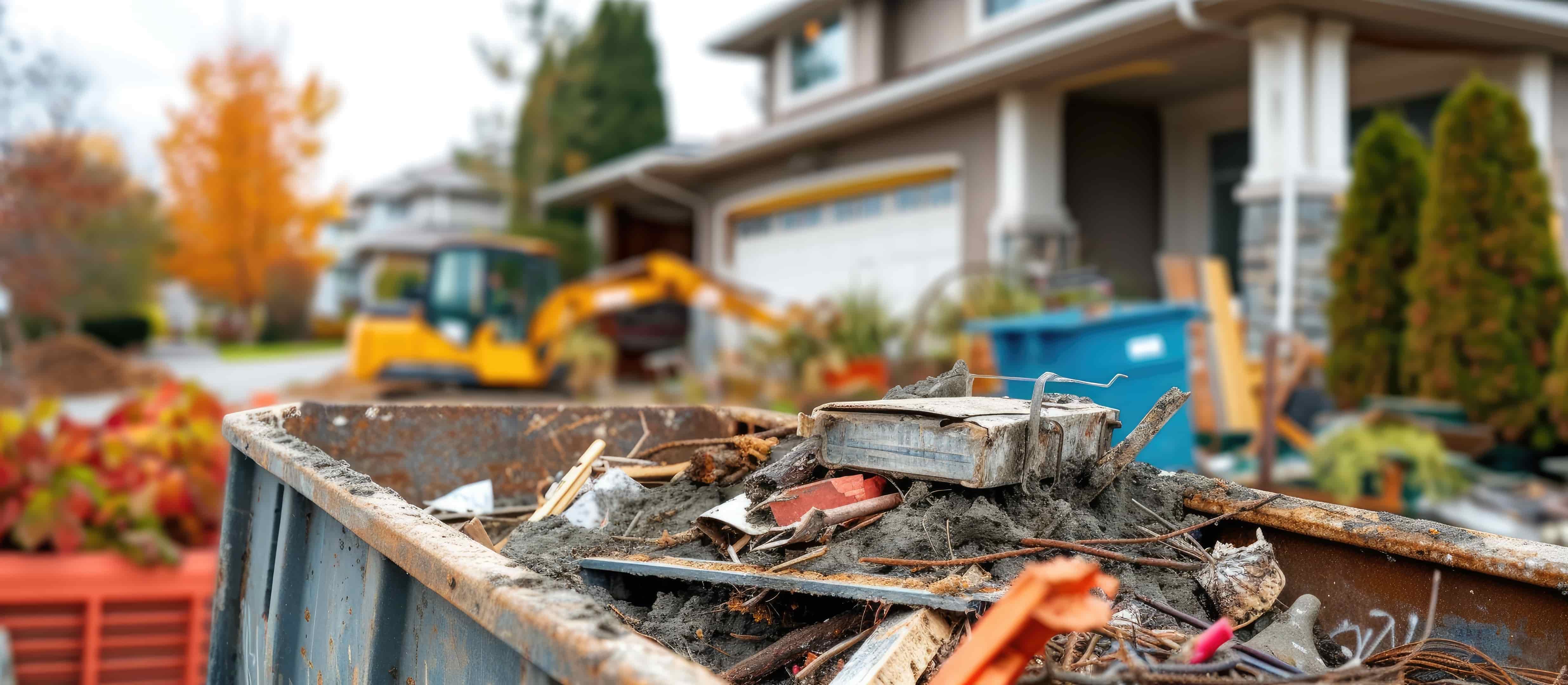
House Extension Waste Removal in London: What Can Be Collected?
You've just finished your house extension — the walls are up, the roof is on, and the new space looks incredible. But standing between you and enjoying it is a mountain of rubble, timber offcuts, old plasterboard, broken bricks, and builder's waste that nobody told you about.
Construction waste from a house extension in London is substantial. A typical single-storey rear extension can generate anywhere from 2 to 8 tonnes of mixed construction debris, depending on the size of the project, what was demolished beforehand, and the materials used. Without a clear plan to remove it, that waste sits there — costing you time, creating a safety hazard, and potentially landing you in legal trouble if disposed of incorrectly.
This guide breaks down exactly what waste is generated during and after a house extension, what can legally be collected and how, and why hiring a professional construction waste removal service in London is almost always the smartest — and most cost-effective — option.
House Extension Waste Removal in London
Most post-extension waste in London can be collected legally, including rubble, timber, plasterboard, insulation, scrap metal, and mixed builders waste. Hazardous materials such as asbestos and contaminated soil require specialist licensed contractors. For most homeowners, the fastest compliant route is a licensed same-day collection service that separates materials correctly and provides legal disposal documentation where required.
What Types of Waste Does a House Extension Generate?
Before exploring removal options, it helps to understand what you're actually dealing with. House extension waste falls into several distinct categories, and each type has different disposal requirements.
1. Hardcore and Rubble
This is typically the heaviest and most voluminous waste category. It includes:
- Broken bricks and masonry from demolished walls
- Concrete chunks from old footings or floors
- Tiles (floor and wall tiles, both ceramic and porcelain)
- Paving slabs and old path materials
- Hardcore fill that's been excavated or removed
Hardcore is generally inert and non-hazardous, which makes it easier to dispose of — but it's extremely heavy, often requiring a grab lorry or multiple skip loads to remove. For mixed renovation debris, many households book a dedicated building waste clearance service to keep collections compliant and efficient.
2. Timber and Woodwork
Extensions generate a significant volume of timber, including:
- Roof joists, rafters, and structural timber
- Floorboards and subfloor sheeting
- Window and door frames removed during the build
- Stud wall offcuts and battens
- Packaging timber and pallets from delivered materials
Much of this timber can be recycled, though treated or painted wood may need to go to a licensed facility rather than a standard recycling centre.
3. Plasterboard and Drywall
Plasterboard is widely used in extensions for internal walls and ceilings. It's lightweight but bulky. Importantly, plasterboard must be disposed of separately from general construction waste. This is because plasterboard contains gypsum, which produces hydrogen sulphide — a toxic gas — when it decomposes alongside biodegradable materials in landfill. The UK's Environmental Agency enforces strict rules around this, so specialist plasterboard disposal is often the safest route.
4. Insulation Materials
Modern extensions require significant insulation. Common types found in extension waste include:
- Rigid foam board (PIR/PUR insulation)
- Mineral wool (glass wool and rock wool)
- Spray foam remnants
- Polystyrene sheeting
Some insulation materials require specialist disposal, particularly spray foam residue.
5. Metals and Fixings
Extensions produce a surprising amount of scrap metal:
- Steel reinforcement bar (rebar)
- Copper pipework from plumbing work
- Electrical cable offcuts
- Scaffolding components (if damaged or written off)
- Steel lintels and fixings
Metal waste has recycling value and is almost always accepted by licensed waste carriers.
6. Mixed General Construction Waste
This is the catch-all category that builders often leave behind:
- Cement bags and packaging
- Plastic sheeting and wrapping
- Sand and aggregate spillage
- Nails, screws, and fixings
- General site rubbish
7. Hazardous Materials (Requires Specialist Disposal)
Older London properties — particularly those built before the 1980s — may contain hazardous materials disturbed or uncovered during an extension project:
- Asbestos (in floor tiles, ceiling tiles, pipe lagging, and roofing felt)
- Lead-based paint on old timbers
- Contaminated soil
Hazardous waste cannot be collected alongside general construction waste. It requires licensed hazardous waste contractors and must be disposed of in accordance with the Hazardous Waste Regulations 2005, typically via a hazardous waste collection and disposal provider.
Important: If you suspect asbestos in your London property, stop work immediately and contact a licensed asbestos removal contractor. Disturbing asbestos is a serious health risk and a criminal offence if not handled correctly.
What Can Be Collected After a House Extension in London?
The almost everything — as long as you use a licensed waste removal service. Here's a quick-reference table:
| Waste Type | Can Be Collected? | Notes |
|---|---|---|
| Rubble and hardcore | ✅ Yes | Heavy — grab lorry or large skip needed |
| Timber and wood | ✅ Yes | Recycling preferred where possible |
| Plasterboard | ✅ Yes | Must be kept separate for correct disposal |
| Insulation | ✅ Yes | Some types require specialist handling |
| Scrap metal | ✅ Yes | Often recycled; may offset costs |
| General mixed waste | ✅ Yes | Standard builders' skip or man-and-van removal |
| Asbestos | ⚠️ Specialist only | Licensed asbestos contractor required |
| Contaminated soil | ⚠️ Specialist only | Requires waste transfer note and licensed site |
| Lead-based materials | ⚠️ Specialist only | Hazardous waste regulations apply |
How Is House Extension Waste Removed in London?
London homeowners and builders typically have four options. Each has pros and cons depending on the volume of waste, access to the property, budget, and time available.
Option 1: Hiring a Skip
Skips are the traditional choice for construction waste. A typical 8-yard builders' skip holds around 60-70 black bags worth of material and suits most small to medium extension projects.
Pros:
- Convenient — waste is loaded at your pace
- Can be hired for several days or weeks
- Suitable for mixed construction waste
Cons:
- Requires a skip permit if placed on a public road (costs extra and takes time to arrange through your London borough council)
- Doesn't work well for very heavy rubble (skips have weight limits)
- You still have to load it yourself
Option 2: Grab Lorry Hire
A grab lorry uses a hydraulic arm to reach into your garden or driveway and scoop up heavy materials like rubble, soil, and hardcore. It's faster than a skip for high-volume, heavy waste.
Pros:
- No permit needed if accessed from private land
- Excellent for large volumes of heavy material
- Fast — typically cleared in minutes
Cons:
- Requires good vehicle access
- Not ideal for mixed light waste
- Less control over what's removed
Option 3: Man and Van Waste Removal
This is the most flexible option and the one that most London homeowners opt for when dealing with mixed post-extension waste. A licensed waste removal team arrives with a vehicle, loads everything for you, and takes it away to a licensed facility.
Pros:
- No heavy lifting required
- Flexible scheduling — often same day or next day
- Can handle mixed waste, plasterboard, metals, and more
- Licensed carriers ensure legal compliance
- No permit faff
Cons:
- Multiple visits may be needed for very large volumes
London Rubbish Removal offers a professional man and van waste removal service across all London boroughs, handling extension waste of all sizes with same-day availability.
Option 4: Self-Haulage to a Household Waste and Recycling Centre (HWRC)
London residents can take construction waste to their local HWRC, but with important caveats:
- Booking is required at most London borough HWRCs
- There are limits on the volume of construction waste accepted per visit
- You'll need your own vehicle and the physical ability to load and unload
- Some boroughs charge for construction waste disposal
- Not suitable for large volumes or hazardous materials
For anything beyond a boot-load of rubble, this option quickly becomes impractical.
Is It Legal to Fly-Tip Extension Waste in London?
Absolutely not — and the consequences are severe.
Fly-tipping is one of the most common environmental crimes in London. In 2023/24, London councils dealt with hundreds of thousands of fly-tipping incidents. The penalties for businesses and individuals are serious:
- Fixed penalty notices of up to £1,000
- Criminal prosecution leading to unlimited fines and up to 12 months' imprisonment
- Vehicle seizure if a vehicle is used to fly-tip
- Damage to your property's reputation if the waste is traced back to you
If you hire a builder or waste carrier who fly-tips your extension waste, you can also be held responsible — which is why using only registered waste carriers matters.
Always check that your waste removal provider is registered with the Environment Agency as a licensed waste carrier. You can verify this on the Environment Agency's public register.
What Happens to Your Extension Waste After Collection?
Responsible waste removal companies don't simply take your rubble to the nearest landfill. At London Rubbish Removal, waste from house extensions is taken to licensed transfer stations where materials are sorted and processed. Here's what typically happens:
- Hardcore and rubble → Crushed and recycled as aggregate for road and construction use
- Timber → Chipped for biomass energy or recycled where possible
- Plasterboard → Processed separately and recycled into new plasterboard products
- Scrap metal → Sent to metal recycling facilities
- Insulation → Specialist disposal or recycling depending on type
- General mixed waste → Sorted, with recyclables diverted from landfill
A good waste removal company will aim to recycle or divert as much material as possible from landfill — both for environmental reasons and because landfill tax in the UK makes it the most expensive disposal route.
How Much Does Waste Removal Cost After a House Extension in London?
Costs vary based on volume, weight, and waste type. Here's a realistic guide for London:
| Service | Approximate Cost |
|---|---|
| Man and van (half load) | £100 – £180 |
| Man and van (full load) | £180 – £300 |
| 6-yard skip hire (7 days) | £200 – £280 + permit if on road |
| 8-yard builders' skip | £260 – £380 |
| Grab lorry (6 cubic yards) | £280 – £450 |
| Hazardous waste removal (asbestos) | £500 – £1,500+ depending on volume |
Prices are approximate and will vary by London borough, access, and current waste disposal costs.
Many homeowners find that a professional man and van service offers better value than skip hire when you factor in the skip permit cost, the time spent loading, and the risk of overfilling.
Post-Extension Waste Removal Checklist for London Homeowners
Use this checklist to ensure your waste is removed safely, legally, and efficiently:
- Identify all waste types present on site (rubble, timber, plasterboard, insulation, metals, etc.)
- Check for potential hazardous materials, especially in pre-1980s properties
- Arrange specialist removal for any suspected asbestos before general clearance begins
- Keep plasterboard separate from general waste
- Obtain quotes from licensed waste carriers — check their Environment Agency registration
- Confirm the waste carrier will provide a waste transfer note (legally required for businesses)
- Book removal before your builder leaves site — they may compact or contaminate the waste
- Consider recycling value of scrap metal to offset costs
- Ensure good vehicle access for whichever removal method you choose
- Photograph the cleared site after removal for your records
Why Use a Professional Waste Removal Service in London?
DIY disposal sounds appealing until you price up a van hire, calculate the number of trips to the HWRC, and realise you'll spend a full weekend doing it. Professional waste removal after a house extension in London makes sense because:
- It's faster — a trained team can clear a typical extension site in hours, not days
- It's safer — construction waste is heavy and sharp; professional handling reduces injury risk
- It's legal — licensed carriers handle all paperwork, transfer notes, and disposal correctly
- It's more eco-friendly — responsible companies maximise recycling and minimise landfill
- It's often cheaper overall — when you factor in your time, vehicle hire, and disposal fees
Key Takeaways
- A typical house extension in London produces 2–8 tonnes of construction waste, including rubble, timber, plasterboard, insulation, and metals.
- Plasterboard must be disposed of separately due to UK environmental regulations.
- Hazardous materials like asbestos require specialist licensed contractors — not general waste removal.
- You can remove extension waste via skip hire, grab lorry, man-and-van service, or HWRC self-haulage — each suited to different volumes and budgets.
- Fly-tipping is illegal and can result in unlimited fines. Always use a licensed waste carrier.
- Professional waste removal services in London offer same-day or next-day collection and handle all waste types legally and sustainably.
Frequently Asked Questions
How long does waste removal take after a house extension?
For most residential house extensions in London, a professional waste removal team can clear the site in 2 to 6 hours, depending on the volume and type of waste. Larger projects or multiple waste categories may require more than one visit.
Can my builder remove the construction waste?
Yes — many builders will include waste removal in their quote or offer it as an add-on. However, always verify that they use a licensed waste carrier and can provide a waste transfer note. Some builders subcontract waste removal to unlicensed operators, which can leave you legally liable.
Do I need a skip permit in London?
If the skip is placed on a public road or pavement, yes — you need a skip permit from your London borough council. Costs and processing times vary by borough. If the skip is placed entirely on private land (your driveway), no permit is required.
What is a waste transfer note and do I need one?
A waste transfer note is a legal document that records the transfer of waste from one party to another. If you're a business (including landlords), you are legally required to obtain one. For private homeowners, it's not a legal requirement, but reputable waste removal companies will provide one regardless as proof of legal disposal.
Can extension waste be recycled?
Yes — a significant proportion of construction waste from house extensions can be recycled. Hardcore and rubble can be crushed into aggregate, timber can be chipped or reused, plasterboard is recyclable into new products, and scrap metal has high recycling value. A responsible waste carrier will maximise recycling rates.
Is plasterboard classified as hazardous waste?
Plasterboard itself is not classified as hazardous waste, but it must be disposed of separately from biodegradable waste under UK landfill regulations. When gypsum (the main component of plasterboard) decomposes alongside organic material, it produces hydrogen sulphide gas, which is toxic and flammable.
How do I find a licensed waste carrier in London?
You can verify any waste carrier's licence on the Environment Agency's public register at environment.agency.gov.uk. Always ask for a carrier's licence number before booking, and be wary of unusually cheap quotes — they may indicate unlicensed operators.
Ready to Clear Your Extension Waste in London?
Don't let post-extension rubbish slow you down. London Rubbish Removal provides fast, professional, and fully licensed waste clearance services across all London boroughs — including same-day and next-day collection.
We handle all types of house extension waste: rubble, timber, plasterboard, insulation, metals, and mixed construction debris. Our team loads everything, so you don't have to lift a finger.
Get a free, no-obligation quote today →
London Rubbish Removal is a fully licensed waste carrier registered with the Environment Agency, serving homeowners and contractors across all 33 London boroughs.
Need Rubbish Removed in London?
London Rubbish Removal provides fast, licensed, and eco-friendly waste collection across all Greater London boroughs. Get a free quote in minutes.
✅ Licensed Waste Carrier | ✅ Fully Insured | ✅ No Hidden Fees